Degenerative Scoliosis
|
Degenerative scoliosis is a distortion of the spinal column. It can have different forms and different causes. It is to be distinguished between the scoliosis that occurs in youth. Degenerative scoliosis is observed in older persons. The type of scoliosis that occurs in younger people generally is described under idiopathic scoliosis. However, solid fusion of the back or implantation of long rods is no longer the only treatment options. |
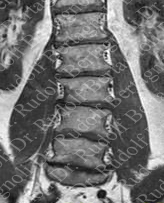 |
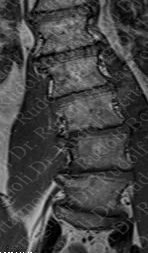
The main cause of the degenerative scoliosis is the wearing of the spinal disks with associated intervertebral disc height reduction, leading to instability of the spinal column. If this instability cannot be corrected by the muscle volume apparatus, different forms of scoliosis can develop as the body’s focal point shifts causing, bad posture, sloping of the pelvic girdle, sacroiliitis and much of more. These variations and incorrect loading of the spine are connected frequently with back pain. However, nerve pain in the legs can be experience, due to narrowing of the nerve exit points, which is called neuroforamina stenosis.
|
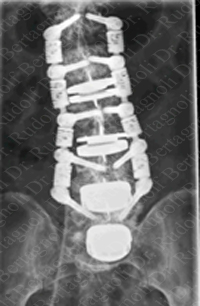
In the patient shown right, we have three segments, which have full 360-motion instrumentation, DSS plus ADR. Although removal much of curve and rotation of this spine has been achieved, perfect straightness is not achieved always after surgery. But this spine is within tolerance and can be further straighten in time and retain motion with proper rehab. This patient was advised to have his entire lumbar spine fused by other doctors. |
 |
 |
Common symptoms of the degenerative scoliosis patient are:
- Frequent back pains
- Leg pain such as a prickling, numbness and paralysis in the legs.